
Why AI Can't Save You From Everything
Let me be upfront about something before we get into this.
This is the post I wasn't sure I wanted to write. Not because the story is shameful — it isn't. But because it's the kind of honest that most business owners don't put in public. We're conditioned to share the wins, the pivots, the "lessons learned" wrapped neatly in retrospect. The messy middle is usually kept private.
I'm going to try to do something different here.
2025 was a year I wouldn't wish on anyone
The macro picture first, because it's important context and it wasn't unique to us.
During Covid, the Singapore government did what governments do in a crisis — they made credit available. Schemes, grants, low-interest loans with generous tenures. What nobody fully reckoned with was what would happen five years later when those loans matured and businesses went back to the market for refinancing. Higher interest rates, shorter tenures, smaller amounts. The credit that had been oxygen during the pandemic became expensive and scarce exactly when businesses needed it most.
Then the wars. Ukraine first, then the Middle East. Supply chains that had just recovered from Covid got disrupted again. Goods that used to take six weeks to arrive were suddenly taking twelve. You're paying for inventory sitting on a ship somewhere, and you can't sell what you don't have.
This was the environment most SMEs in Singapore were operating in during 2025. We weren't unique. We were just caught in it like everyone else.
What was happening inside the business
On top of the macro pressure, 2025 decided to get personal.
One of our workers had a heart attack at the workplace and passed away. Someone died. A person who came to work and didn't go home. I was there. I administered CPR, doing everything I could to bring him back — a skill I had learned years earlier, after losing my mother suddenly, because I never wanted to feel helpless in that moment again.
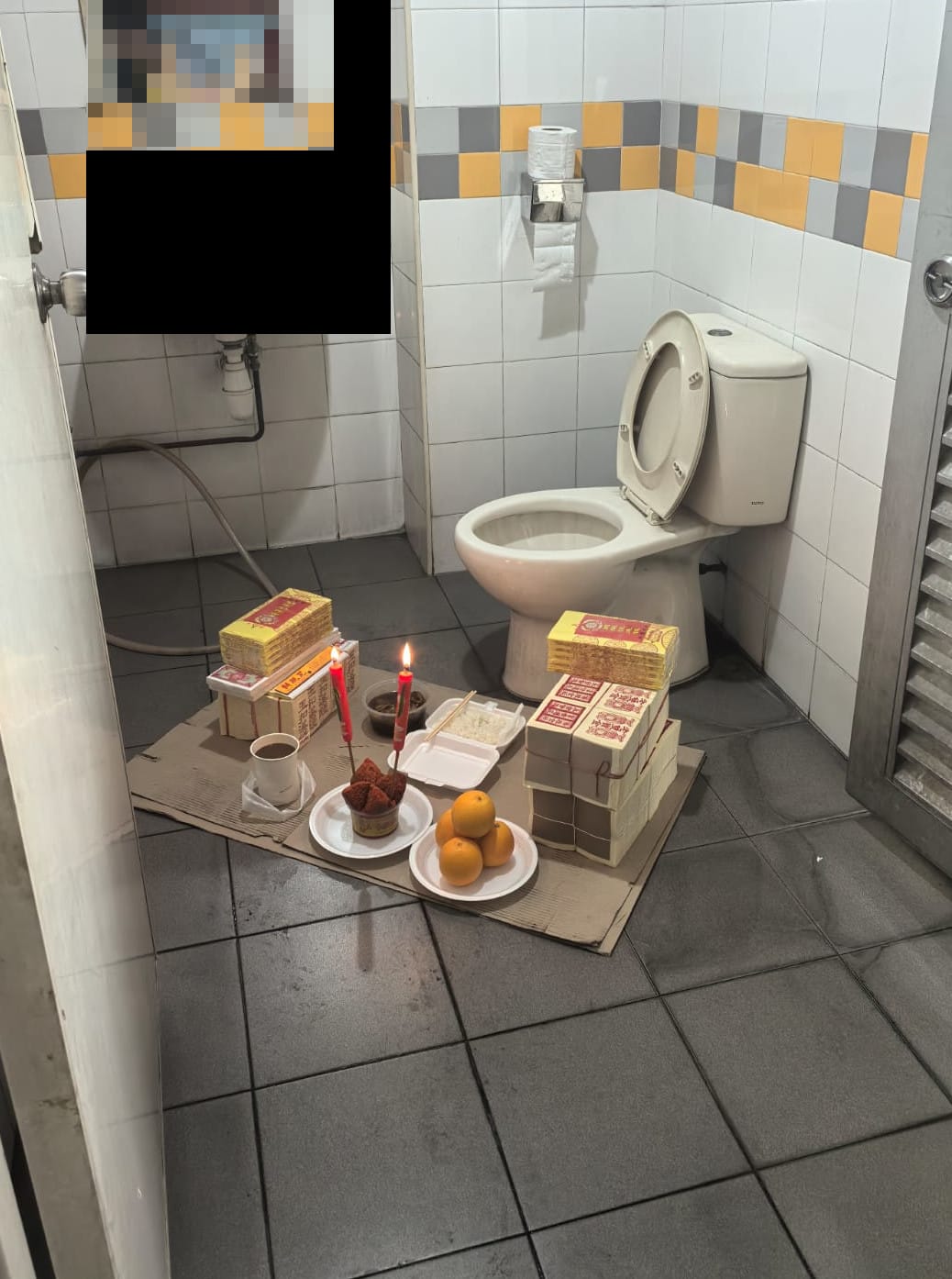
I failed.
Beyond the grief, there was an MOM investigation that followed, which is still ongoing.
Meanwhile, my other business — F&B retail — lost two of its best outlets simultaneously. One to competition, one to a temporary closure for renovation. Both at the same time, creating a liquidity drain we hadn't planned for. When the renovated outlet reopened, business was slow to recover — and the landlord raised the rental by twenty percent.
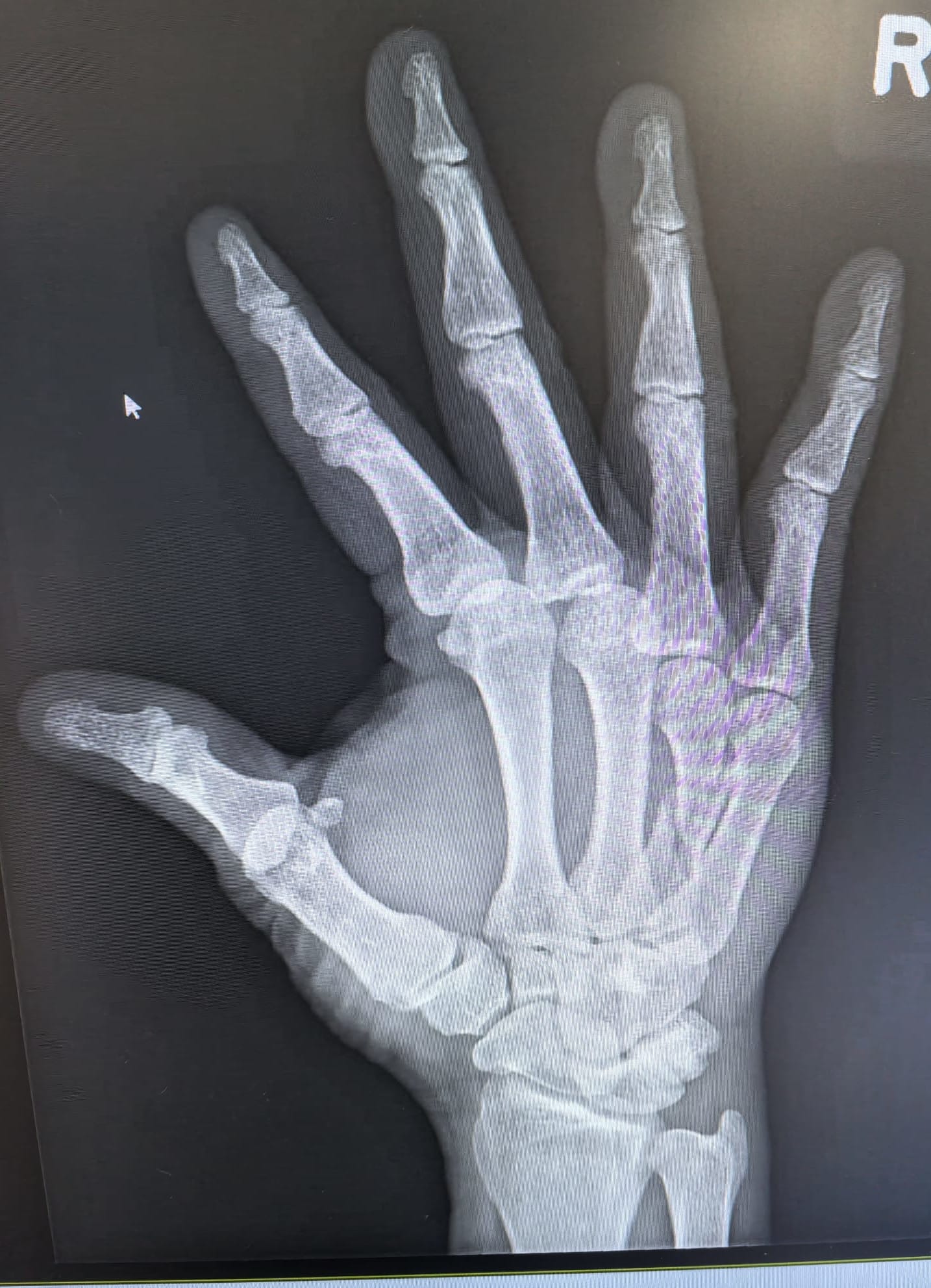
I fractured my right hand in April during a basketball game. Four months largely out of action, trying to run multiple companies one-handed. Literally.
And in the background, quieter but heavier — family members dealing with cancer diagnoses across two consecutive years. My father, in his mid-seventies and showing early signs of dementia, was giving me all kinds of trouble at work and at home. Then he got into a car accident — the vehicle got scraped but thankfully nobody was hurt — and that became one more thing to sort out on top of everything else.
I'm not listing all of this for sympathy. I'm listing it because this is what "running a business" actually looked like in 2025, behind the LinkedIn posts and the quarterly updates.
What AI actually gave me
Here's the part that matters for this blog.
The AI system we'd built — the dashboards, the live reports, the AutoCount integration — was working. It was doing exactly what I'd hoped it would do. And what it showed me, clearly and early, was a trend I didn't want to see.
Revenue declining. Collections slowing. Costs rising. The gap between them widening in a direction that only goes one way.
Without the system, I might have seen this three to six months later. By which point the options narrow considerably. Instead I saw it while there were still options on the table.
The AI wasn't failing. If anything, it was delivering more clarity than I'd ever had. The plans were good. The direction was right. We just didn't have time.
Time is the one thing no system can manufacture. So I made the call.
Partly because the numbers said to. Partly because I was exhausted in a way that goes deeper than tired. And partly because stopping now — painful as it was — meant I could still do right by the people who depended on me. Pay the staff. Settle with the banks. The people who showed up every day would be taken care of first.
Sometimes the most important thing a good system can do is tell you when to stop.
The server in the corner
While all of this was unfolding, there was a server sitting in the corner of my home office. The same machine that had run the company's operations. Now repurposed. Waiting.
Building the home AI system didn't happen after the dust settled. It happened in the middle of everything. Late nights, early mornings, in between calls with lawyers and emails to creditors. Something to build when everything else felt like it was dismantling. Something constructive in the middle of the chaos.
That story is next.
Next: How a company server became a family AI system — and why building something new was the best thing I could have done.